Quiet luxury has become the phrase every interior design client uses, and almost nobody means the same thing by it. Half of them mean beige. The other half mean expensive but boring.
Neither is right. Quiet luxury isn’t a color palette, and it isn’t a price point. It’s what a house looks like when the person who owns it has nothing left to prove.
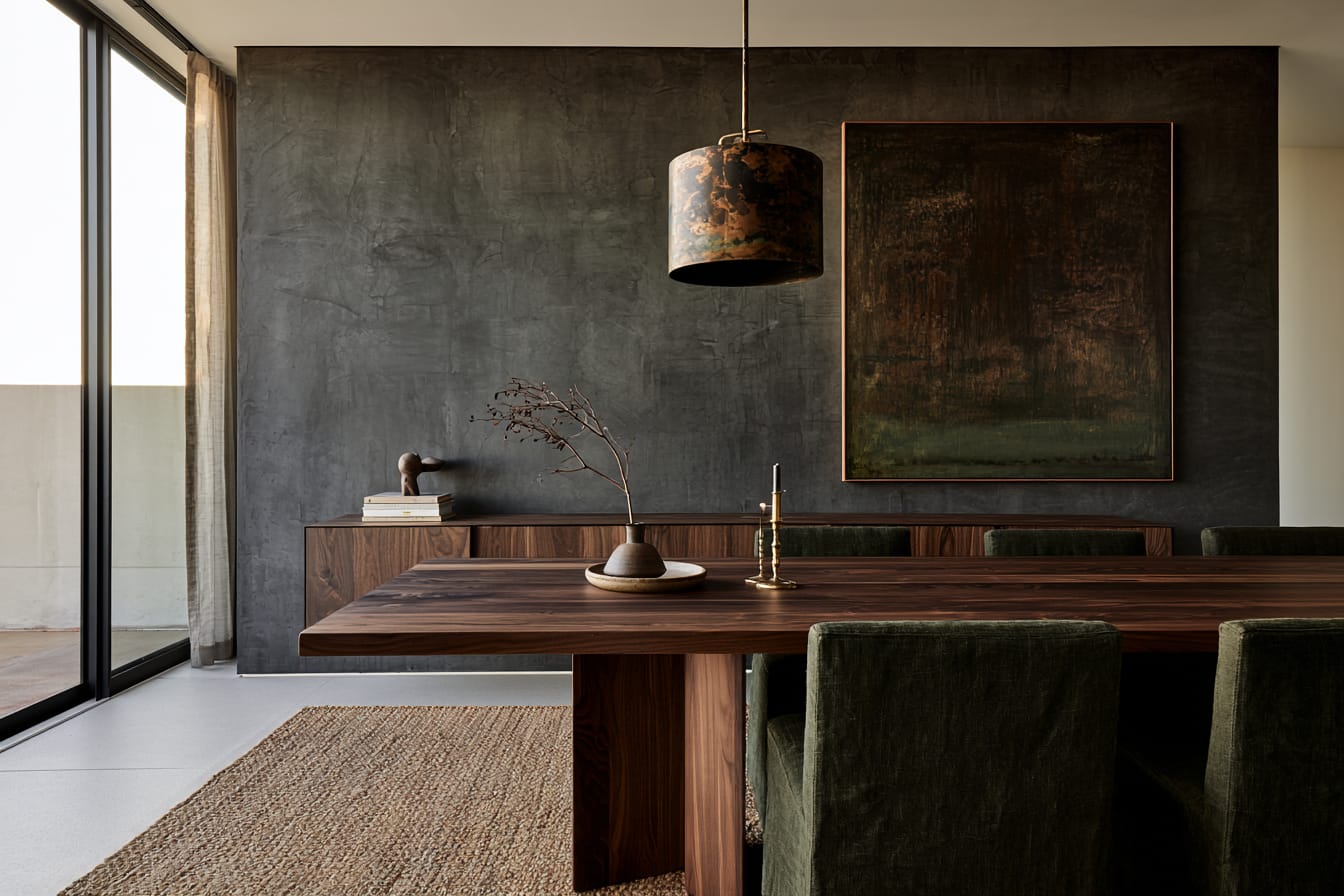
A quiet luxury room doesn’t need to explain itself. There are no logos on the hardware. There’s nothing you can point to and name the collection. Just good materials doing their job and aging the way they should. A linen sofa that softens every year instead of pilling. Brass that darkens instead of chipping. Stone that shows a little wear at the edge of the counter where someone actually cooks.
The people who ask me for this have usually spent twenty years building something. A career, a company, a life that took real work. They don’t want a house that talks about it. They want one that makes it obvious the second you walk in, without a word.
That’s harder to design than loud. When a room is full of statement pieces, a weak decision can hide behind a strong one. When a room is restrained, every piece is exposed. The sofa has to be right. The proportions have to be right. The one lamp has to be the right lamp. There’s nowhere for a mistake to go.
So it costs more, not less. Not because the pieces are flashier, but because there are fewer of them and each one has to carry more.
That’s the part I get hired for. Not picking beige, and not picking expensive. Picking the few things that belong, and leaving out everything that doesn’t.